Choosing the right neighborhood in Lafayette can feel like standing at a trail fork without a sign. You want the right mix of commute convenience, parks and trails, local dining, and a home that fits your lifestyle. This guide breaks Lafayette into easy-to-understand micro-areas so you can compare housing types, amenities, and trade-offs with confidence. Let’s dive in.
How to use this guide
Lafayette sits between Boulder and Denver, with a compact historic core and newer neighborhoods along the edges. Instead of narrow neighborhood names, you’ll see five micro-areas that reflect real-life choices: walkability, outdoor access, modern homes, commute options, and privacy.
Use the sections below to match your must-haves to the right part of town. If a detail matters to you, like HOA rules or exact school assignment, plan to verify it for a specific address before you write an offer.
Historic Downtown and Core
What you’ll find
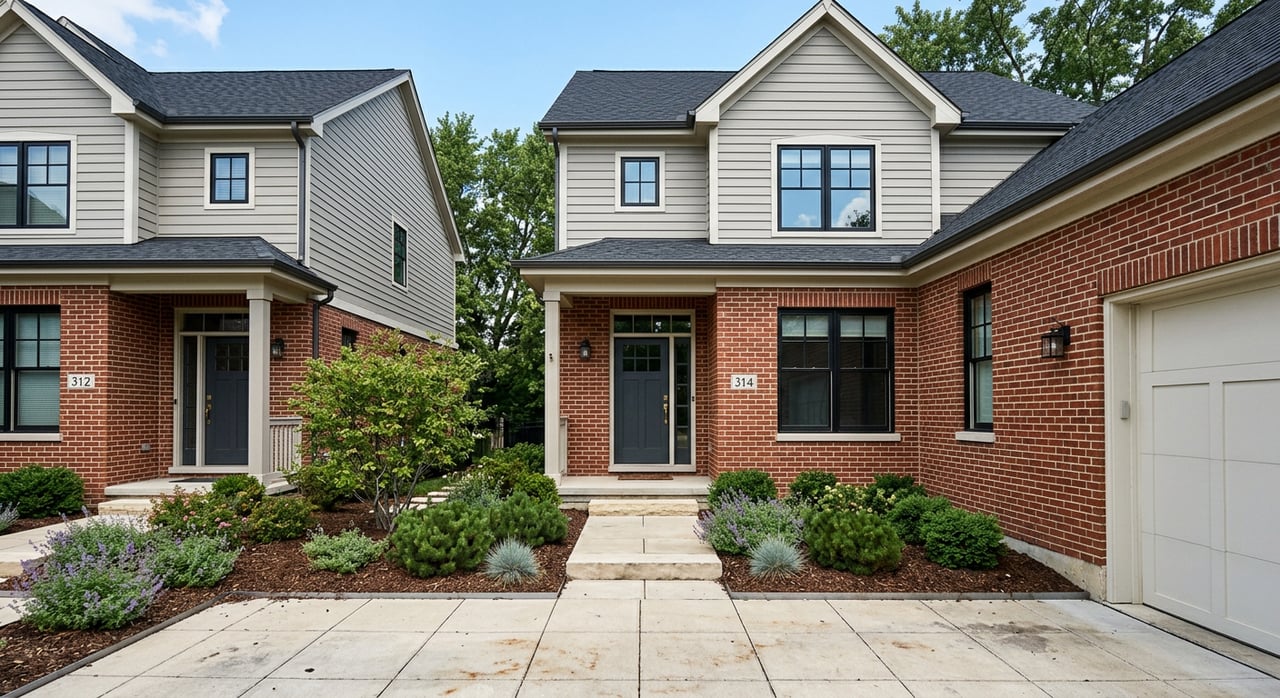
Older single-family homes like bungalows, craftsman styles, and ranches are common, with some small-lot detached homes, duplexes, and a handful of condos or townhomes near the commercial core. Character and charm are typical, and lots are usually smaller.
Lifestyle and amenities
The core area is walkable to restaurants, cafés, breweries, small retail, and community events. Daily errands can be simple, and you’ll feel close to the city’s social life.
Parks and trails
You can usually reach small neighborhood parks and connections to local trails on foot. Expect a mix of paved and natural paths that link into the broader network.
Trade-offs to consider
You’ll often see smaller yards, older systems like HVAC or roofs, and more on-street parking. Pricing per square foot can be higher due to location and character.
Best for
- Buyers who value walkability, local dining, and older-home character.
Neighborhoods by Major Parks and Trails
What you’ll find
A mix of older homes and post-1990 infill, plus some townhomes. In certain pockets, yards can be larger and streets feel quieter.
Lifestyle and amenities
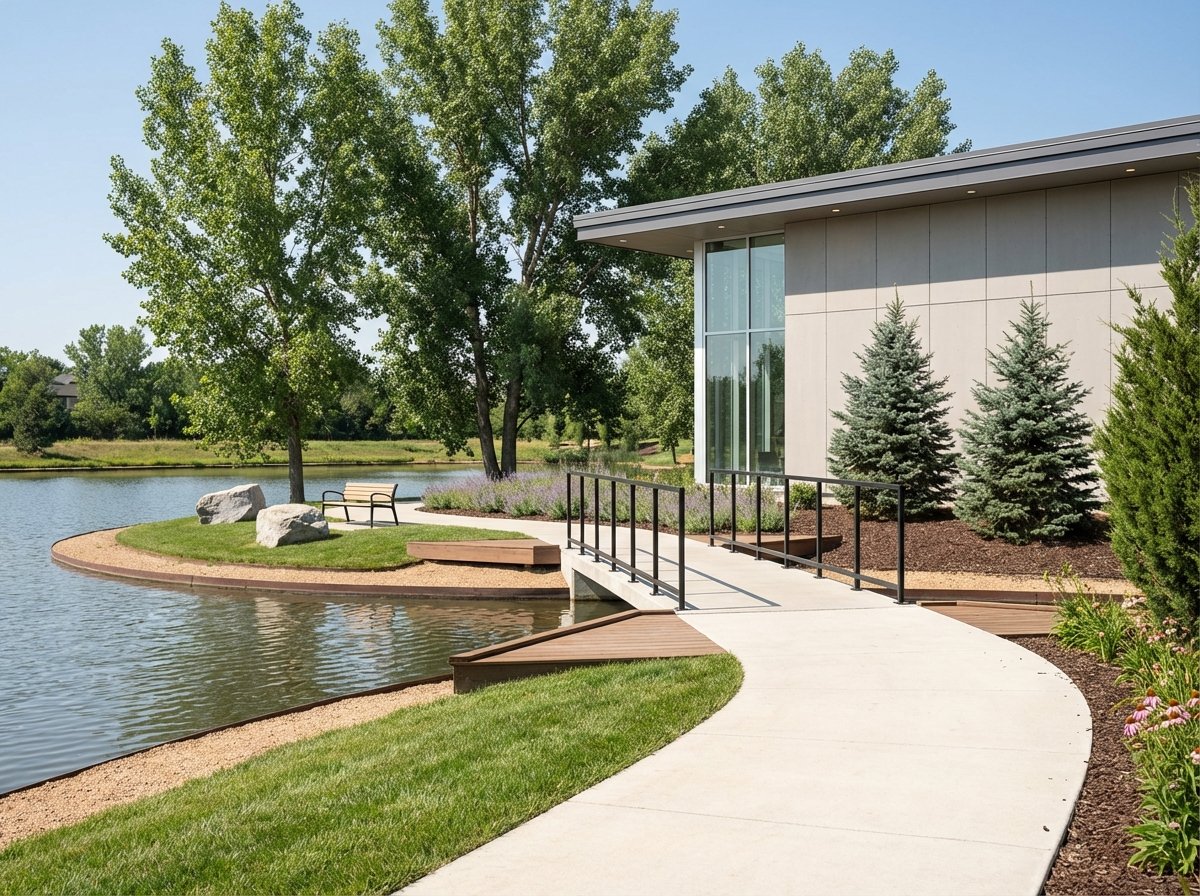
Direct access to parks, lakes, and multi-use trails supports walking, running, and biking. These areas are popular with people who want recreation at the doorstep.
Parks and trails to know
Waneka Lake Park is a local favorite with lakeside scenery, trails, and fishing. Connections to multi-use corridors, including the Coal Creek area and municipal trails, are a strong draw.
Trade-offs to consider
You may pay a premium for homes by trails or lakes. Depending on the location, you might be farther from the downtown dining cluster.
Best for
- Buyers who prioritize an outdoor lifestyle, easy trail access, and family-friendly yards.
Newer Subdivisions and Edge Neighborhoods
What you’ll find
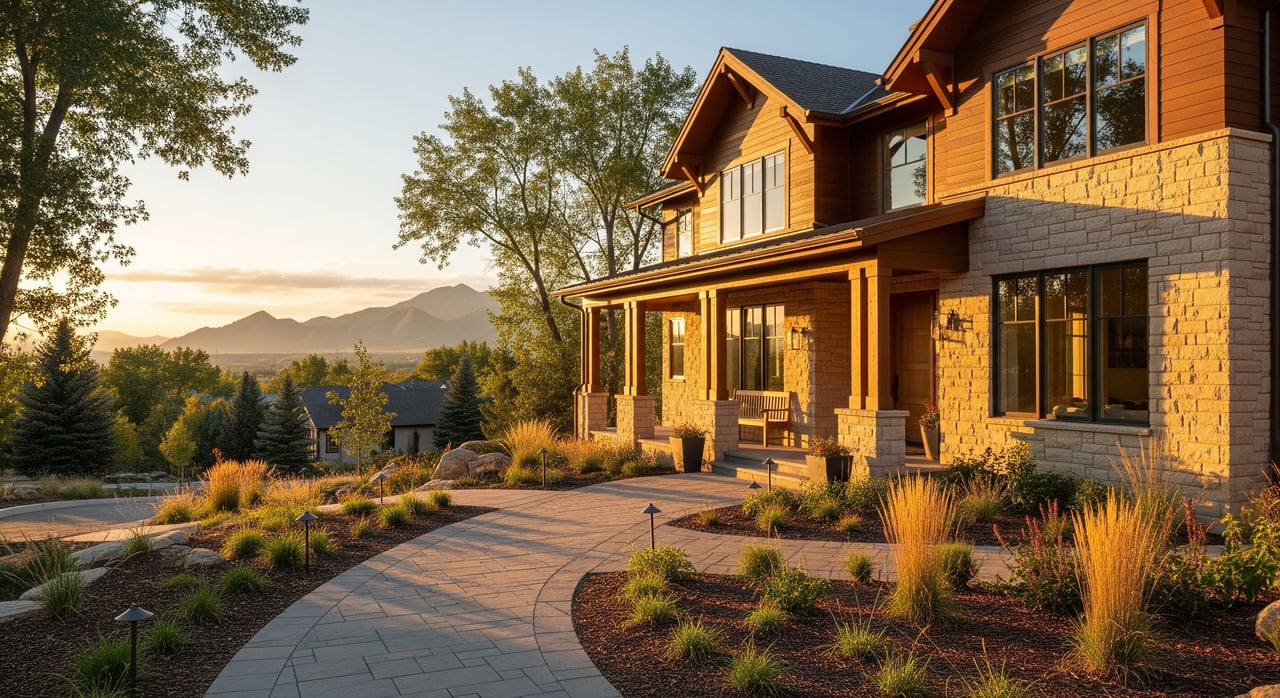
Newer single-family homes with modern layouts, two-car garages, and energy-efficient systems are typical. HOAs are common, and yards can be more spacious.
Lifestyle and amenities
Expect sidewalks, neighborhood parks developed during the build-out phase, and proximity to arterial roads for regional travel. Shopping and services are often a short drive away.
Trade-offs to consider
You’ll get lower-maintenance living and modern features but usually less walkability to downtown. HOA fees and rules can apply, and homes near major roads may experience more traffic noise.
Best for
- Buyers who want larger indoor-outdoor space, newer finishes, and predictable community maintenance.
Transit and Commute Corridor Areas
What you’ll find
A mix of older homes, townhomes, and some multi-family near arterial roads or bus routes. These locations emphasize regional access.
Lifestyle and amenities
Regional transit options can connect you to Boulder and the Denver area. If your priority is reducing commute time, proximity to major routes and any park-and-ride facilities can be a big plus.
Trade-offs to consider
You’ll trade some quiet and downtown walkability for easier commuting. Traffic and noise are more likely along major corridors.
Best for
- Buyers who prioritize faster regional access and transit connections.
Semi-Rural and Large-Lot Outskirts
What you’ll find
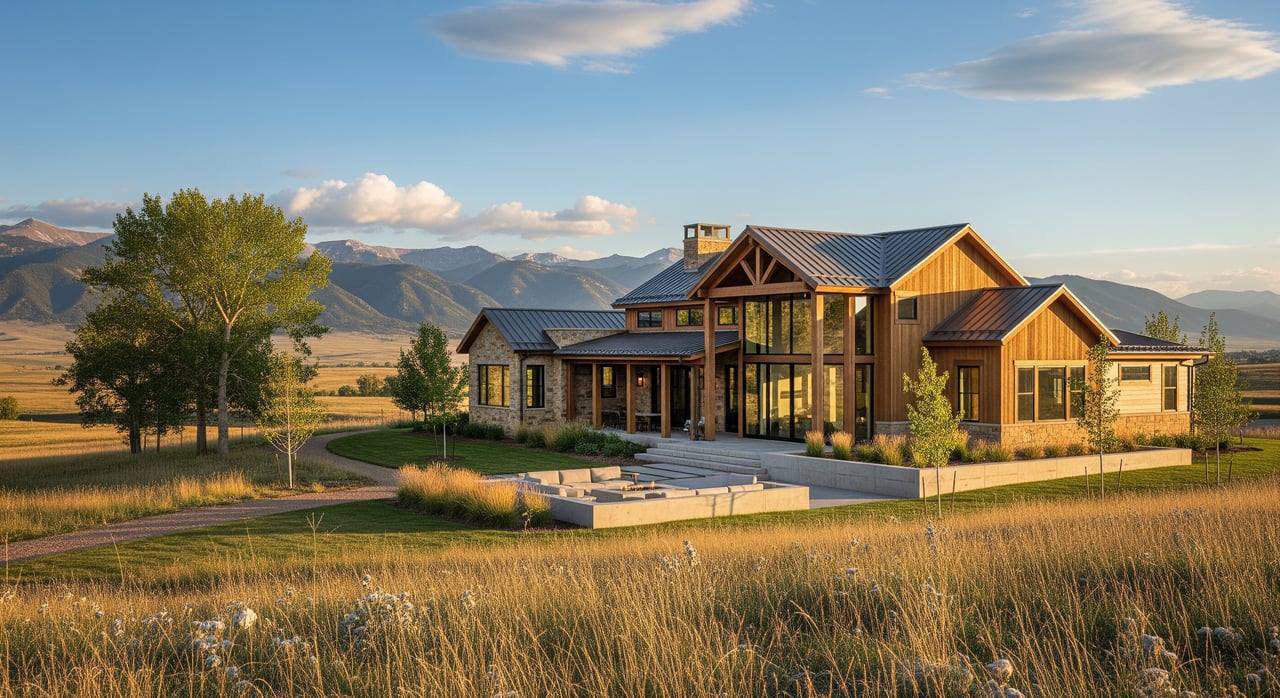
Detached homes on larger parcels with a more private feel. Some of these properties may sit near the city limits or in nearby unincorporated areas of Boulder County.
Lifestyle and amenities
Space for gardens, hobbies, or accessory buildings makes these properties appealing for privacy and outdoor projects. Daily errands and school trips can involve longer drives.
Trade-offs to consider
Check utility access, services, and permitting, especially if you are outside city limits. Commutes and errands typically take longer.
Best for
- Buyers who value privacy, larger outdoor space, and less dense surroundings.
Parks and trails: how to evaluate access
Lafayette’s trail network and park system are a major quality-of-life asset. If outdoor time is a priority, compare homes with a quick checklist:
- Distance: How many minutes to the nearest trailhead or park on foot or by bike?
- Route: Is the path direct, or do you need to cross busy roads?
- Surface: Are trails paved, natural, or a mix that suits your routine?
- Connectivity: Do trails link to other neighborhoods or regional greenways?
If you are considering a home near a creek or lake, review floodplain information and any public access easements behind the property so you understand privacy and insurance implications.
Commute and transportation
Lafayette sits between Boulder and Denver, so buyers often balance commute routes with neighborhood feel.
- Driving: Key arterials handle most regional travel. Peak traffic varies by corridor, so check routes from a specific address during rush hour.
- Transit: Regional bus services connect Lafayette to Boulder and the Denver area. Living close to bus stops or a park-and-ride can simplify your routine.
- Active commuting: Multi-use trails and bike-friendly routes can make car-light commutes possible for some trips.
- Parking: Downtown and walkable areas may rely on on-street parking, while edge neighborhoods usually offer garages and driveways.
What to verify before you buy
A little homework upfront can save headaches later. Confirm details for the exact address you are considering:
- HOA presence, rules, and typical fees
- School assignment with the district’s current boundary tools
- Floodplain status and local hazard considerations
- City vs. county services and utility providers
- Recent market signals for the micro-area using local MLS data
- On-site parking, garage capacity, and any street restrictions
- Transit stops and frequency, plus bike or trail connections
- Any planned developments or improvements that could affect quality of life
Finding your fit: quick matches
Use these short profiles to align your lifestyle with the right micro-area:
- Historic Downtown/Core: Walk-to-dinner lifestyle, small-lot charm, older-home character.
- Near Parks/Trails: Daily recreation, trail and lake access, quieter streets.
- Newer Subdivisions/Edges: Modern layouts, energy efficiency, HOA-maintained streetscapes.
- Transit/Commute Corridors: Simplified regional access, bus-friendly locations.
- Semi-Rural/Large-Lot: Maximum privacy and space with longer drives for errands.
Start your Lafayette search with a local partner
Choosing a neighborhood is about more than a floor plan. It’s about how you want to live day to day. If you want a clear, low-stress path to the right home and community, we’re here to help. Connect with The Greer Group for a thoughtful, neighborhood-first approach and a plan tailored to your lifestyle.
FAQs
What types of homes are common in Lafayette’s historic core?
- Older single-family homes like bungalows, craftsman styles, and ranches, plus a few small-lot houses, duplexes, and some condos or townhomes near the commercial center.
How close are Lafayette neighborhoods to parks and trails?
- Many homes are within a short walk or bike ride of local parks and multi-use trails, with standout access near major parks like Waneka Lake Park and connections to corridors such as Coal Creek.
Are HOAs common in newer Lafayette subdivisions?
- Yes, many newer and edge neighborhoods include HOAs that support community standards and amenities, often with monthly or quarterly fees.
What should I know about commuting from Lafayette?
- You’ll have regional driving routes to Boulder and Denver, access to regional bus services, and potential for bike or trail connections depending on the micro-area.
Which Lafayette areas offer larger lots and more privacy?
- Semi-rural and large-lot outskirts, including nearby unincorporated areas, typically provide more space and privacy compared to in-town locations.
How do school assignments work in Lafayette?
- School boundaries can vary within short distances, so verify the assigned schools for the specific property address with the district’s current tools before making decisions.