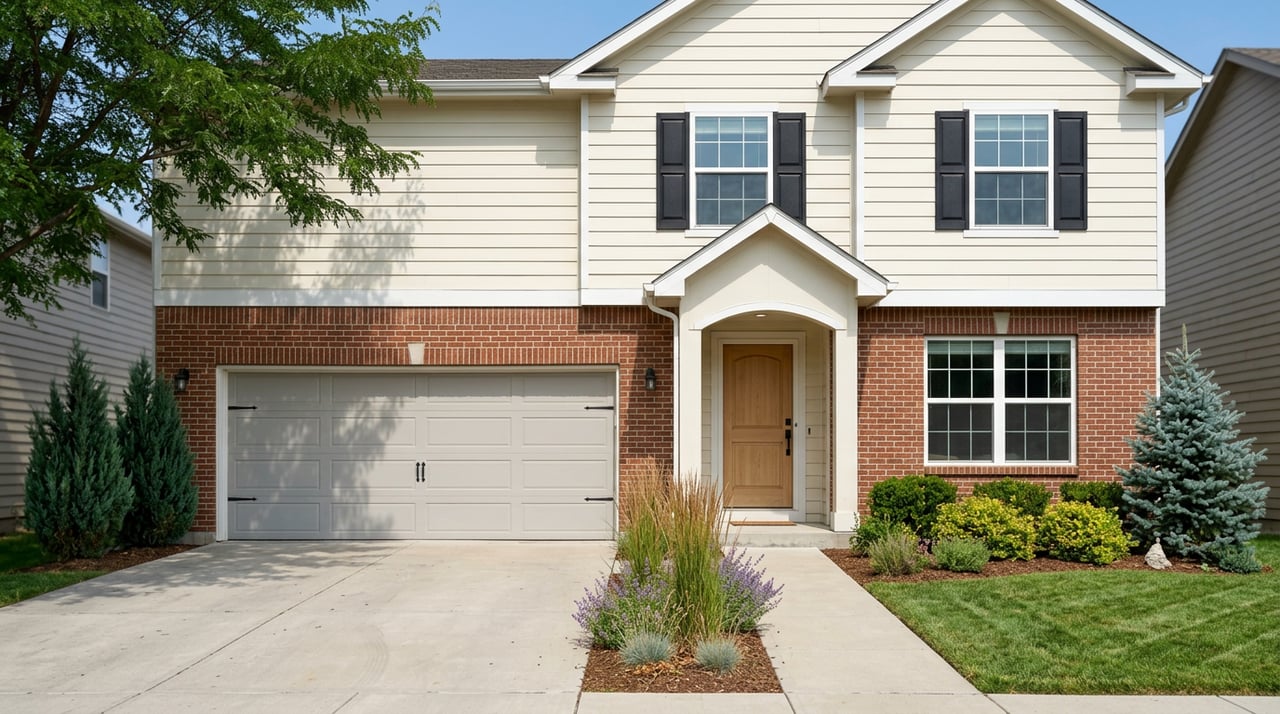
Torn between the shine of a new build and the character of an established home in Thornton? You’re not alone. With typical local values hovering around the high $400Ks to low $500Ks depending on the source and snapshot date (Zillow, 2/28/2026; Redfin, Feb 2026), it pays to choose the path that fits your budget, timing, and lifestyle. In this guide, you’ll learn where new construction is happening, how new and resale homes differ, and what to check in contracts, warranties, and timelines. Let’s dive in.
Where you’ll find new builds in Thornton
New construction in Thornton clusters in larger, master‑planned areas on the city’s growing edges. A leading example is Parterre, a multi‑phase community with parks, trails, and multiple builders participating. You can explore the project’s neighborhood plans on the developer’s site at Parterre, and the City’s Housing Needs Assessment notes how major projects like this roll out in phases and can be influenced by utilities and water planning.
City permit reports confirm that national builders are active in Thornton. Recent filings list communities and builders like KB Home at Windsong and additional subdivisions where permits have been issued. You can review the City of Thornton’s Building Permit Report for current activity and builder names.
For broader planning context, the City’s 2024 Housing Needs Assessment documents market trends, approved developments, and infrastructure factors that can influence build timing and delivery across Thornton. See the City of Thornton’s Housing Needs Assessment for details.
Head‑to‑head: what you gain and what you give up
Location and neighborhood maturity
- New construction often sits in master‑planned neighborhoods with new amenities, trail systems, and active construction for several years. Streets, retail, and transit may still be building out. Communities like Parterre illustrate these planned environments.
- Resale homes are typically in established areas with mature landscaping and completed nearby services. You can assess traffic patterns and community rhythm today rather than projecting the future build‑out.
Floor plans and customization
- New builds offer modern layouts and, if you contract early, a choice of finishes and certain structural options. Quick‑move‑in homes reduce customization but speed up occupancy.
- Resale homes are delivered as‑is. You see the exact home you’re buying and can negotiate repairs or credits after inspections if needed.
Maintenance and energy costs
- New homes usually carry lower near‑term maintenance and meet current energy codes. Many Colorado builders participate in efficiency programs, which can improve operating costs. Xcel Energy lists participating builders in its ENERGY STAR New Homes program.
- Resale maintenance varies with age and prior care. A thorough inspection helps you plan for roof, HVAC, or system updates in the first few years.
Timelines and delivery certainty
- New construction timelines commonly run 6‑12 months for a to‑be‑built home, with quicker closings on completed spec homes. Large master plans can be influenced by permitting or infrastructure, including water and utility factors noted in the City’s Housing Needs Assessment. Ask for a written completion window and what happens if schedules slip.
- Resale closings typically finalize in 30‑60 days once you are under contract and past contingencies. This route usually provides a clearer move‑in date.
Contracts and buyer protections
- New construction contracts are builder‑drafted and often include substitution rights, change‑order fees and deadlines, flexible completion dates, deposit rules, and arbitration requirements. Read everything, including addenda and warranty booklets, and ask questions before you sign.
- In Colorado, resale purchases typically use Commission‑approved forms with standardized contingencies and deadlines. For background on these forms and updates, review the Colorado Division of Real Estate’s CREC resources.
Price, incentives, and negotiation
- Builders frequently offer incentives like rate buydowns, closing credits, or design‑studio allowances, especially in large communities. These can change your monthly payment more than the sticker price. Always compare the net monthly cost after incentives, taxes, HOA, and mortgage terms.
- Resale negotiations often focus on price, repairs, or seller credits based on days on market and local comps. Your strategy will hinge on property condition, timing, and competing demand.
Working with builders: inspections and warranties
Municipal and independent inspections
Thornton’s Building Inspection Division issues permits, performs staged inspections, and clears final occupancy before many new home closings. You can see the city’s permitting and inspection information at the Building Permits and Inspections page. Even with municipal oversight, schedule your own third‑party inspections. A good cadence is pre‑drywall, final inspection before closing, and an 11‑month check to capture warranty items.
Warranty highlights and must‑asks
Most production builders use a layered warranty structure: 1 year for workmanship and finishes, 2 years for distribution systems, and 10 years for major structural coverage. Many Colorado builders enroll homes in third‑party, insurance‑backed programs. Review what your builder provides and compare it with examples like the 1‑2‑10 framework described by 2‑10 Home Buyers Warranty in Colorado.
Before signing, confirm:
- Start date of coverage and how to submit claims.
- What is covered vs. excluded, and whether coverage is transferable.
- Whether dispute resolution is arbitration or court.
- How quickly warranty service is scheduled and documented.
Colorado construction‑defect timing basics
Colorado law sets timelines for construction‑defect actions that generally include a two‑year statute of limitations from discovery and a statute of repose measured from substantial completion, often six years in most cases with limited extensions. Because facts drive how these rules apply, consult an attorney if you have concerns. For an overview, see this local summary of Colorado construction‑defect timelines.
Practical next steps for Thornton buyers
- Pin down your timing. If you need to move within 60 days, a resale or a completed spec home is likely your best fit. If you can wait 6‑12 months, a to‑be‑built home may open more choices.
- Tour both options. Visit established neighborhoods and active communities like Parterre and Windsong. Bring a notepad for construction activity, road access, and nearby retail.
- Verify builder activity. Check the City’s Building Permit Report to confirm who is actively building and where.
- Compare total monthly cost. Price the mortgage with and without builder incentives, plus taxes, HOA, and expected utilities. Use the Xcel Energy builder list to ask about efficiency features.
- Read the fine print. For resale, understand the Commission‑approved forms and contingency timelines through CREC’s updates. For new builds, review builder contracts for substitution rights, completion windows, deposit rules, and dispute procedures.
- Plan inspections. Schedule pre‑drywall, final, and 11‑month inspections and keep every report. Confirm municipal inspection steps on the City’s Building Permits and Inspections page.
- Confirm warranties. Ask for the full warranty booklet and whether the structural component is insurance‑backed and transferable. Compare terms to the 1‑2‑10 model shown by 2‑10 Home Buyers Warranty in Colorado.
Choosing between new and resale in Thornton comes down to your timeline, appetite for customization, and tolerance for nearby construction versus the comfort of a mature neighborhood. If you want help weighing tradeoffs community by community, reach out to the local experts who can guide you through both builder and resale paths. Connect with The Greer Group to schedule a consultation tailored to your goals.
FAQs
How does Thornton’s market affect my choice between new and resale?
- Local prices have ranged in the high $400Ks to low $500Ks depending on the source and date, so compare both options side by side and factor in incentives, repairs, and timelines when you build your budget.
Where is new construction concentrated in Thornton right now?
- New homes cluster in master‑planned areas and newer subdivisions on the city’s edges, including communities like Parterre and Windsong, as reflected in the City’s Building Permit Report.
How long do new builds usually take in Thornton?
- To‑be‑built timelines commonly run 6‑12 months, with quicker closings on completed spec homes and potential delays tied to permitting or infrastructure as noted in the City’s Housing Needs Assessment.
Do I still need an inspection on a new home?
- Yes. Schedule pre‑drywall and final inspections, plus an 11‑month check during the warranty period, and confirm the city’s inspection milestones on the Building Permits and Inspections page.
What warranties do Colorado builders typically provide?
- Many follow a 1‑2‑10 structure that covers workmanship, systems, and structural elements, often with third‑party structural coverage; compare your builder’s booklet to examples from 2‑10 Home Buyers Warranty in Colorado.