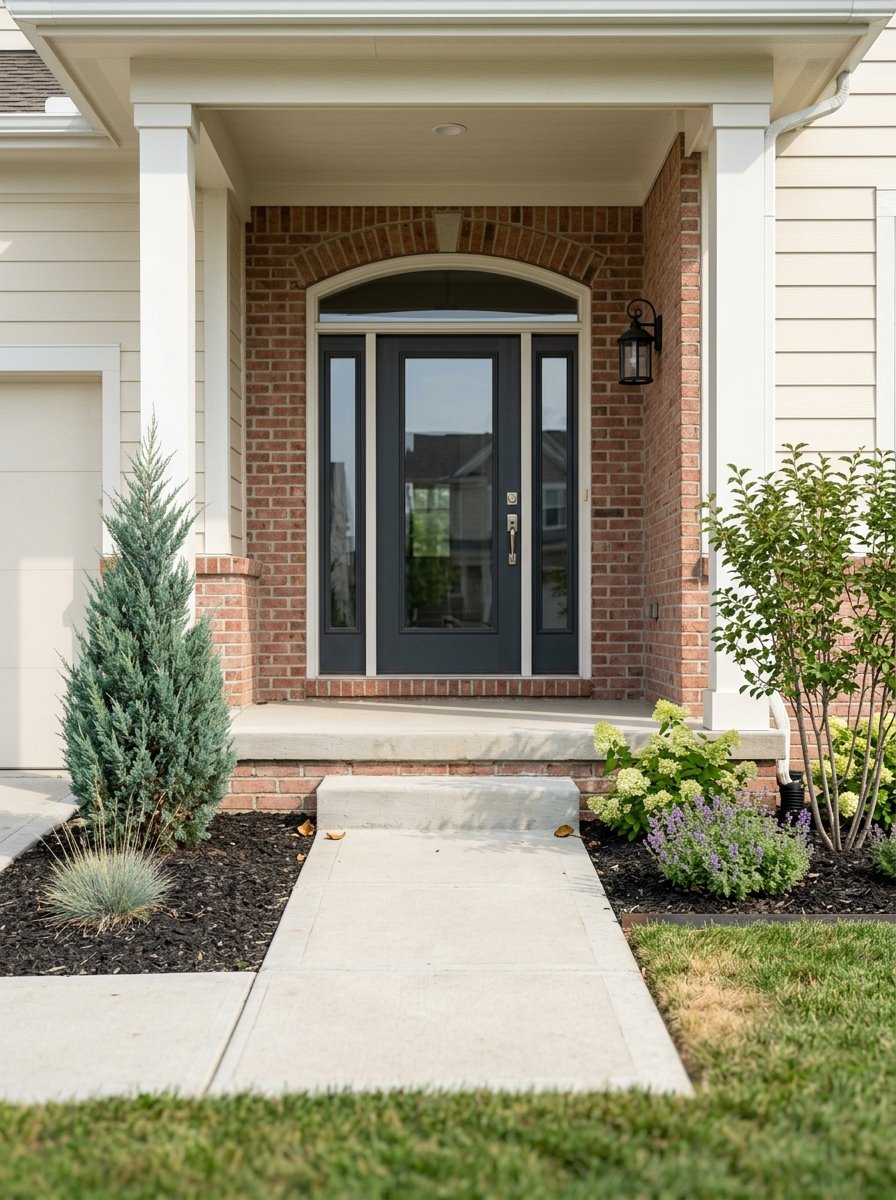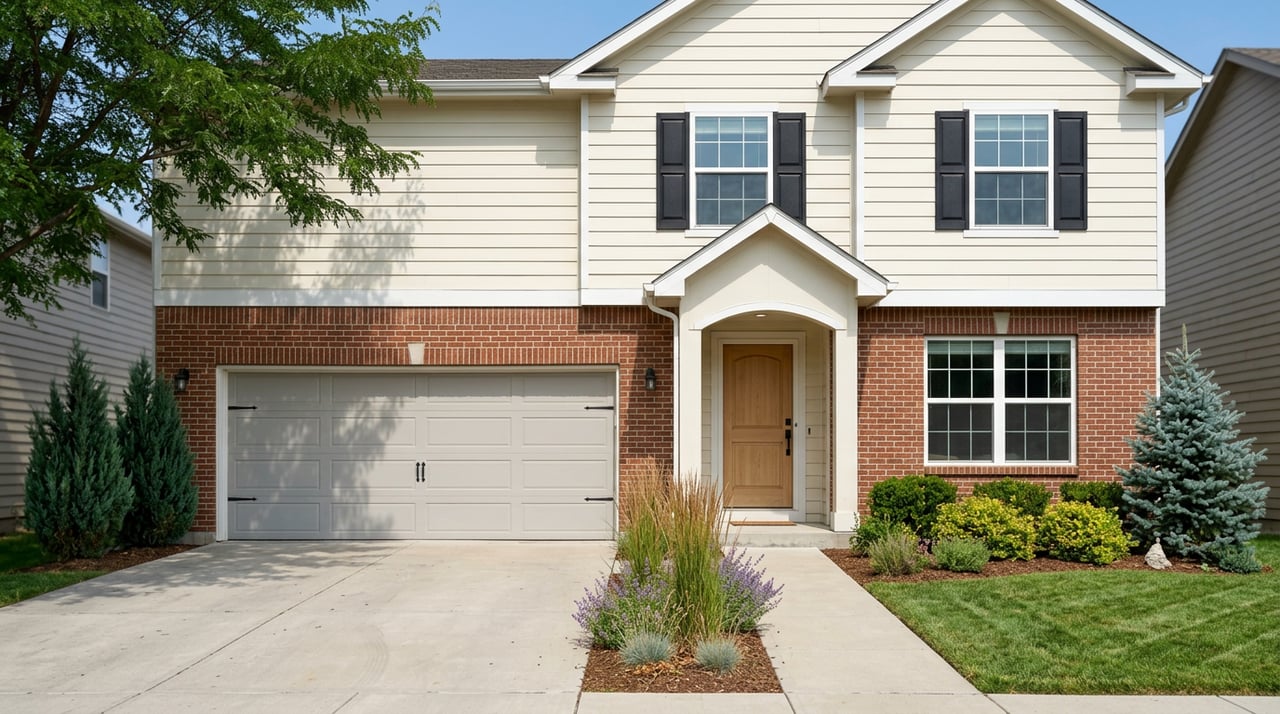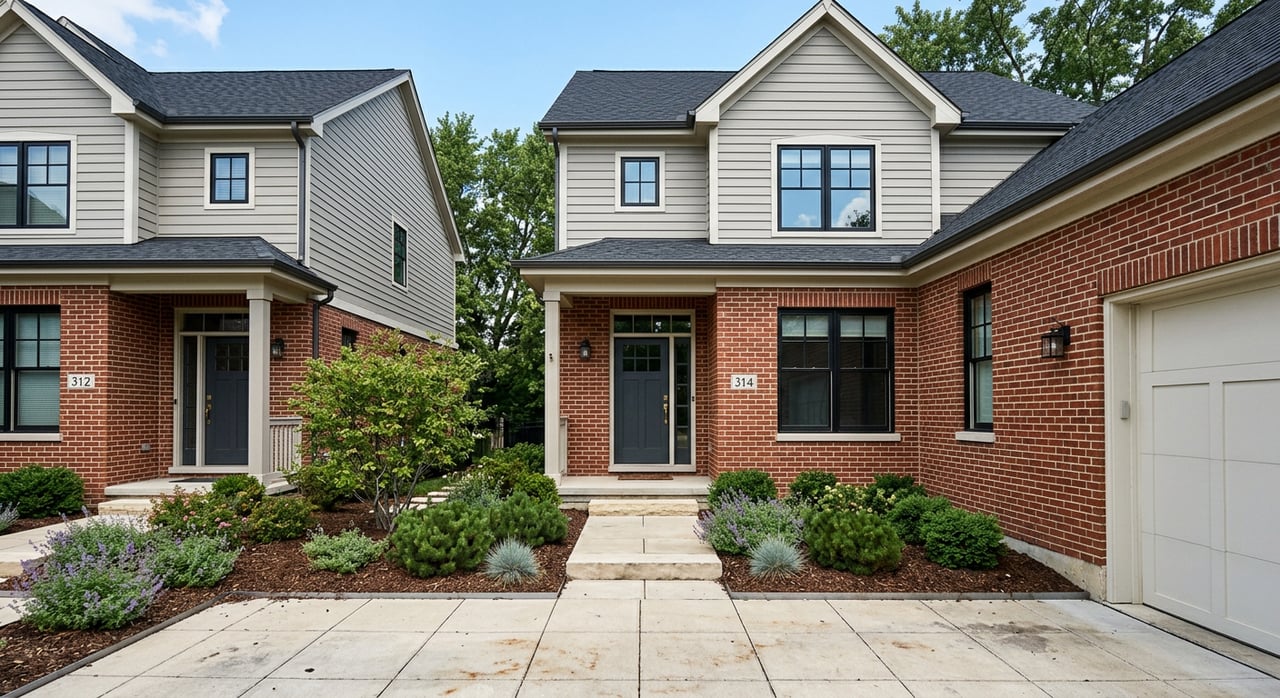
Love Boulder’s trails, cafés and culture but not the yard work? If you want a home you can lock, leave and come back to without a to-do list, condos and townhomes in Boulder can be a smart fit. You get the lifestyle you want with less day-to-day upkeep, which appeals to downsizers, busy professionals and second-home owners alike. In this guide, you’ll learn where to focus, what dues cover, how to read the fine print and the key rules and financing details that matter in Boulder. Let’s dive in.
Why low-maintenance works in Boulder
In a lock-and-leave setup, an association typically handles exterior upkeep, landscaping, snow removal and many common systems. You focus on your interior. That means more time on the Boulder Creek Path and Pearl Street, and less time on ladders and lawn tools. For many owners, the predictability of monthly dues and coordinated maintenance beats juggling contractors.
Condos usually provide the highest level of exterior and common-area coverage. Many townhomes do as well, although some are fee simple and leave certain items to you. Always verify responsibility by reviewing the recorded declaration and rules for the specific community.
Market snapshot, early 2026
Numbers vary by source and property type, so use these as directional snapshots and note the date and metric type when you compare.
- All-home median sale price in the City of Boulder was about 901,350 dollars as of January 2026, based on Redfin’s sale data.
- Condos show a median listing price near 490,000 dollars on Redfin’s Boulder condos page. Listing medians can differ from closed-sale medians.
- Townhomes list closer to 755,000 dollars on Redfin, often sitting between condos and single-family homes.
- Zillow’s Boulder metro home-value index is about 702,606 dollars for the broader metro through December 31, 2025. City and metro measures will differ.
- Market tempo has cooled from the pandemic peak. Portal snapshots show many Boulder homes spending roughly 90 to 130 days on market, which can open room to negotiate on attached homes at some price points.
Why the spread in numbers? Portals use different timelines and measures, like listing medians vs closed-sale medians, city vs metro, and single-month vs rolling windows. Compare like with like and focus on ranges, not single-point claims.
Where to find condos and townhomes
Boulder has options in nearly every quadrant. Here is a quick neighborhood-oriented overview to help you align lifestyle and budget.
- Downtown, West End, Canyon area. Expect mid-rise and low-rise condo buildings with excellent walkability to Pearl Street and the Boulder Creek Path. Units here often appeal to lock-and-leave and second-home buyers. Prices tend to carry a higher price per square foot and outdoor space is usually modest.
- University Hill. You will find a mix of owner-occupied condos and rentals. Smaller condos near campus can be entry points to Boulder living, though you should study parking and any rental restrictions in the documents.
- North Boulder and Mapleton Hill. NoBo has newer infill, boutique condos and townhomes with convenient access to local cafés and trails. Mapleton Hill has a narrower supply of attached homes, often in older or historic settings.
- South Boulder and Table Mesa. Look for more suburban attached options and larger townhomes, some with simpler amenity sets and comparatively lower dues. You get convenient trail access and commuting routes toward NCAR and the Foothills.
- Gunbarrel and outlying pockets. Planned communities often include exterior maintenance and amenity packages, and prices can be more approachable than in the core city. You trade a longer trip to downtown for added space and value.
What HOA dues usually cover
Monthly dues vary by building age, size and amenity level, but many Boulder condos and townhomes fall roughly in the 200 to 600 dollars per month range, with a marketplace median around the low 400s based on current listing inventory snapshots. Communities that include extensive amenities or services may run higher.
Typical inclusions that support low-maintenance living:
- Exterior building maintenance and roof care
- Landscaping and snow removal
- Common-area utilities and insurance for the building shell
- Secure or assigned parking and storage areas
- Package rooms, locked entries or on-site management
- Fitness rooms, pools or hot tubs in amenity-rich buildings
Your unit policy sits on top of the master policy. Associations usually insure the building and common areas per the declaration, while you insure interior finishes and personal property. Review the master policy and size your HO-6 and loss-assessment coverage accordingly. The Insurance Information Institute offers a clear overview of master policies and HO-6 coverage.
Key trade-offs to weigh
Low-maintenance living shifts chores and many risks to a community structure. That convenience comes with trade-offs you should understand before you buy.
- Fees vs control. Monthly dues buy services, but you give up unilateral control over exterior elements and common spaces. The declaration and rules explain what is covered, plus any alteration limits. The Colorado Division of Real Estate’s quick guide can help you interpret HOA governing documents.
- Reserves and special assessments. Underfunded reserves or deferred maintenance can lead to unexpected assessments. You can often spot risk by reviewing the reserve study, reserve balance and board meeting minutes. See this primer on how to review HOA documents for what to look for.
- Privacy and space. Expect some shared walls, smaller private outdoor areas and variable storage. If you own lots of gear, confirm storage lockers, garage arrangements and bike facilities upfront.
- Financing and resale. Some buildings are non-warrantable because of rental caps, litigation, investor concentration or insurance issues. That can limit conventional financing and affect future resale liquidity. Learn more about project-level eligibility and why it matters in this overview of condo lending rules and warrantability.
Boulder rules you should know
Boulder regulates short-term rentals. The City restricts standard STR licenses to principal residences, which means most non-owner-occupied condos cannot operate as nightly rentals. There are limited festival or time-bound exceptions. Always check both city rules and HOA rules before you plan to host. Start with the City’s page on Boulder short-term rental licensing.
At the state level, Colorado’s Common Interest Ownership Act sets many rules for condos and planned communities. Associations must follow current registration and transparency requirements. Effective October 1, 2025, changes under HB25-1043 added new registration and disclosure items to improve owner protections. For updates, review the DRE’s notice on association registration changes.
HOA due diligence checklist
Request these items as soon as you go under contract and allow time for review. The goal is to confirm what you are buying and the risk profile of the association.
- Declaration, bylaws, and current rules. Confirms owner vs association maintenance, including responsibilities for balconies, windows and HVAC. See the DRE’s guidance on interpreting HOA documents.
- Current budget, financial statements and delinquency report. Shows cash flow, dues trends and collection health.
- Most recent reserve study, reserve balance and funding plan. Central to assessing assessment risk. Use this guide to review reserves and minutes effectively.
- Board meeting minutes from the past 6 to 24 months. Reveals recurring issues and likely near-term projects.
- Master insurance policy declarations and deductibles. Size your HO-6 and confirm loss-assessment coverage limits with your insurer. See the Insurance Information Institute’s overview of condo and co-op insurance.
- Resale or estoppel certificate. Confirms amounts due, assessments and any violations that could affect closing.
- Litigation disclosures and management contracts. Active litigation or unusual vendor terms are red flags.
Key questions to ask the HOA or manager:
- What exactly does the monthly fee cover, line by line?
- When was the last reserve study and what percent funded are reserves?
- Are any special assessments or major projects planned in the next 1 to 5 years?
- What is the current delinquency rate and are any foreclosures active?
- Is the project approved or warrantable for Fannie, Freddie or FHA financing?
Financing and insurance basics
Financing attached homes means you must evaluate both you and the project. Agencies like FHA, Fannie Mae and Freddie Mac look at the condominium project’s budget, reserves, owner-occupancy, insurance and legal status. If a project does not meet standards, it can be labeled non-warrantable, which narrows loan options. Share the building name with your lender early and ask how project review works. For a plain-English overview, see this explainer on conventional condo project reviews.
Insurance is a two-layer system. The HOA’s master policy usually covers the building shell and common areas according to the declaration, and your HO-6 policy covers interior finishes, personal property and loss-assessment. Confirm the master policy deductible and consider increased loss-assessment limits if the deductible is high. The Insurance Information Institute details how master and HO-6 policies fit together.
Do not forget taxes and utilities in your monthly budget. Colorado property taxes use a state assessment rate and local mill levies. Boulder County publishes guidance and timelines each year. For estimates and process details, start with the county’s assessor and taxation resources.
Step-by-step for low-maintenance buyers
Define your lifestyle priorities. Trade walkability and building amenities against space and price across Downtown, NoBo, South Boulder and Gunbarrel.
Get pre-approved and align on loan type. Ask your lender whether your loan will require project-level condo approval and how long that takes.
Write offers with time for HOA review. Request the full resale or estoppel packet immediately once under contract so you can study documents during your deadlines.
Read the documents like an auditor. Focus on declaration responsibilities, budget trends, reserve funding, minutes, insurance and any litigation or rental caps. Use the DRE’s quick guide to governing documents as a reference.
Price in upcoming capital needs. If minutes or the reserve study point to near-term projects, ask for a written funding plan. Use that data to negotiate credits or price.
Confirm STR plans early. If you hope to do short-term rentals, verify both the HOA rules and the City’s requirements on Boulder STR licensing. Many non-owner-occupied condos will not qualify for a standard license.
Order your HO-6 quote. Match interior coverage to your finishes and align loss-assessment limits with the master policy deductible. See the Insurance Information Institute’s guidance on HO-6 coverage.
Validate project warrantability. Have your lender confirm whether the project is warrantable. If not, explore alternatives like portfolio loans, different down payments or a broader search set. For context, review this primer on project review and eligibility.
Model total monthly cost. Add mortgage, HOA dues, insurance, property taxes and utilities. Check Boulder County’s tax guidance before you finalize your budget.
Final thoughts
Low-maintenance living in Boulder gives you more time for the life you moved here to enjoy. You trade yard work for predictable dues and shared services, and in return you pick up the responsibility to vet the building’s financials, rules and insurance. The smartest moves are simple. Get your HOA packet fast, read it closely, and loop in your lender and insurance advisor early. That way, your condo or townhome fits your lifestyle and your risk tolerance, not the other way around.
Ready to explore Boulder condos and townhomes that align with how you want to live? Reach out to The Greer Group for a guided search, neighborhood advice and a calm, expert process from offer to closing.
FAQs
What does low-maintenance living mean in Boulder?
- An association handles exterior upkeep, landscaping, snow removal and common systems so you focus on your interior, which reduces recurring chores and supports lock-and-leave lifestyles.
How much are typical HOA dues for condos and townhomes?
- Many Boulder communities fall roughly in the 200 to 600 dollars per month range, with a marketplace median in the low 400s depending on amenities and services included.
Can you short-term rent a Boulder condo you do not live in?
- Usually no; the City limits standard STR licenses to principal residences and you must also follow your HOA’s rules, so verify both before you plan to host.
Which HOA documents are most important to review before closing?
- Focus on the declaration, bylaws, rules, budget, financials, reserve study, recent board minutes, master insurance and the resale or estoppel certificate to uncover risks and responsibilities.
How do condo financing rules affect your purchase?
- Many loans require the building to meet project-level standards; if a project is non-warrantable, conventional financing can be limited, so confirm eligibility with your lender early.