Thinking about putting down roots between Boulder and Denver? Erie, Colorado gives you that sweet spot of space, access, and a small-town core without feeling far from anything. If you want parks and trails, a lively Old Town, and realistic commute options, Erie is worth a close look. In this guide, you’ll learn how daily life feels, what the commute looks like, the types of homes you will find, and the practical details that matter when you buy. Let’s dive in.
Erie at a glance
Erie is a statutory town that spans both Boulder and Weld counties. This split can affect property tax bills, some county services, and school assignments in edge areas, so it is smart to confirm the county for any home you consider. The town grew from a historic railroad and coal-mining hub into a modern suburban community with a preserved Old Town and several master-planned neighborhoods.
Growth has been steady for more than two decades as commuters and remote workers seek more space near Front Range job centers. If you want current population and demographic trends, review the latest releases from the U.S. Census Bureau.
Parks, trails, and things to do
Outdoor access
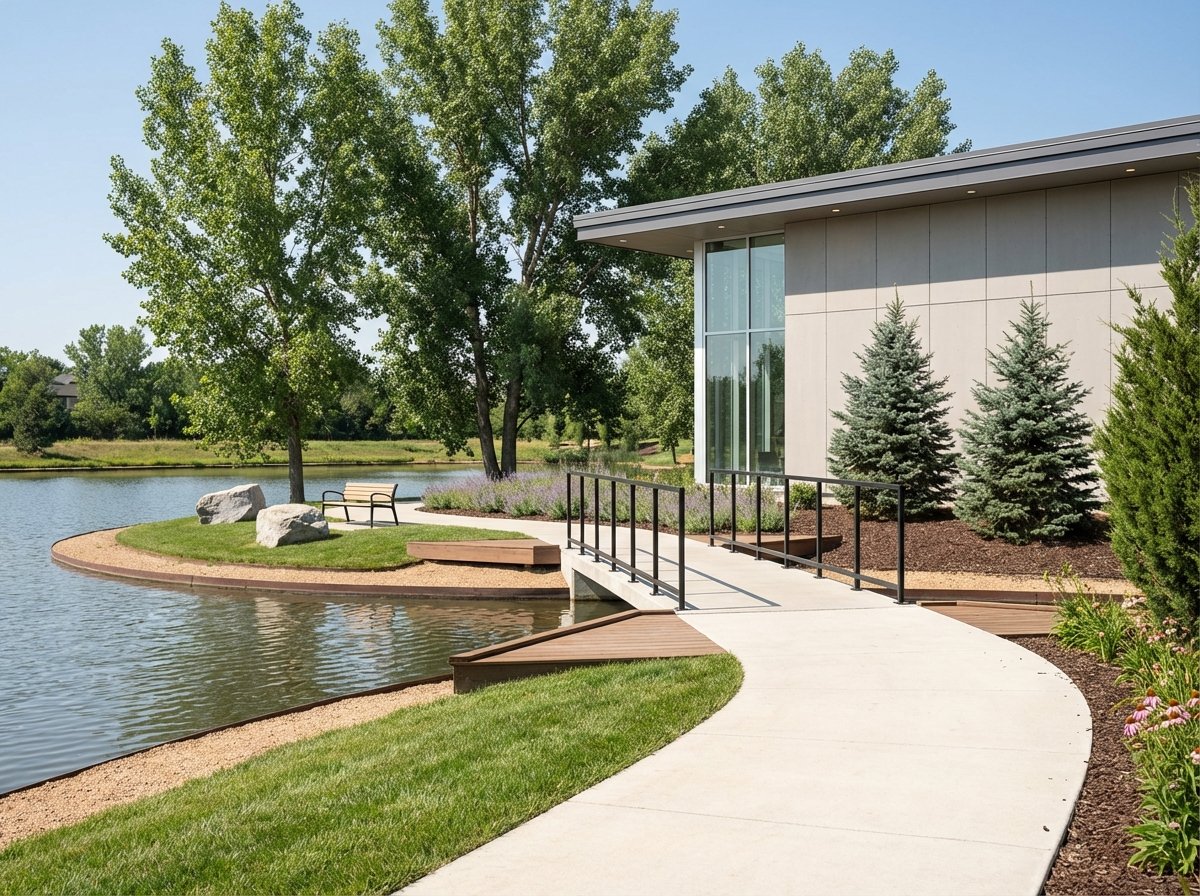
You will find a connected network of neighborhood parks, pocket parks, and paved and unpaved trails in Erie. The Coal Creek corridor anchors many local walking and cycling routes and links to regional trail systems. Town parks typically include playgrounds, sports fields, and dog areas, and the community center supports swim lessons, fitness, and programs for all ages. For current facilities and programming, start with the Town of Erie Parks and Recreation.
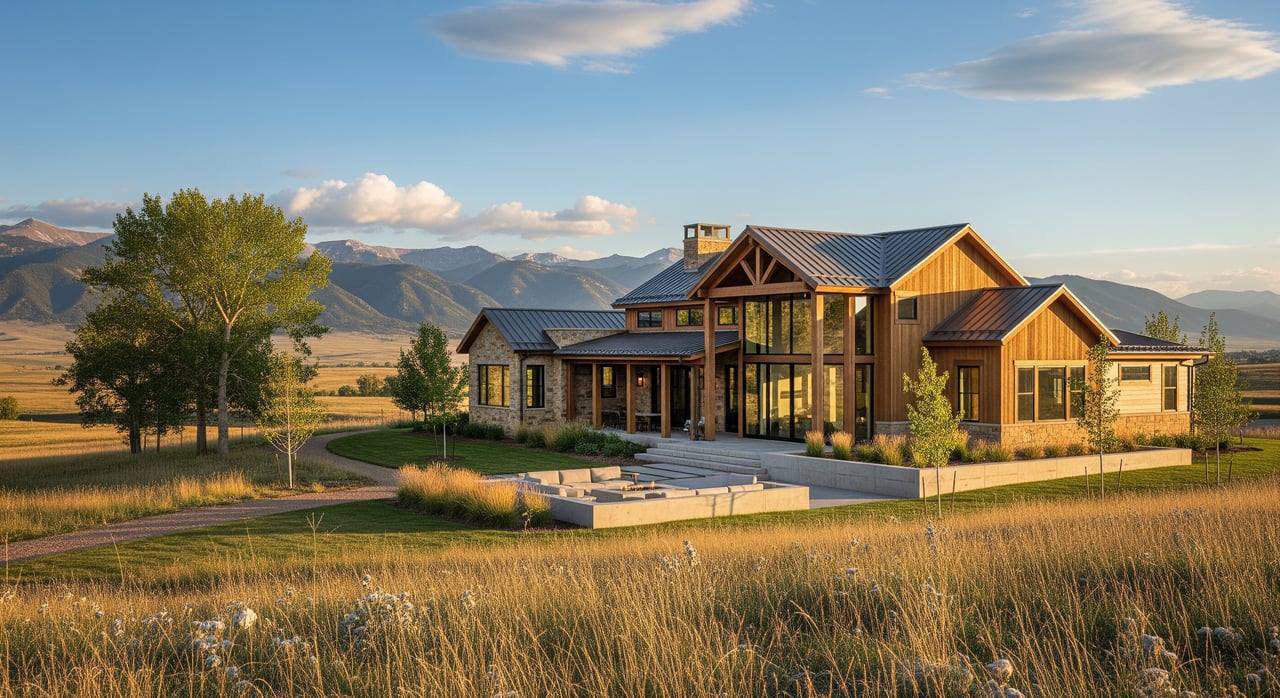
One of Erie’s strengths is proximity to the foothills and mountain day trips. Many popular Front Range trailheads and recreation areas are within about 45 to 90 minutes by car, depending on traffic and destination. You can get outside before or after work without spending all day in the car.
Events and community life
Erie’s calendar is active throughout the year. You will see summer concerts, outdoor movie nights, holiday parades, farmers markets, and civic events in and around Old Town. Many activities are town-sponsored or produced with local non-profits and business groups. Check the town site for the latest schedule or browse the Erie Chamber of Commerce for additional community happenings.
Dining and daily essentials
Old Town Erie is your go-to for locally owned restaurants, coffee shops, breweries, and small boutiques. For broader shopping and services, you are a short drive from major grocers and retailers in Broomfield, Louisville, Longmont, and Boulder. Primary care and urgent care clinics are in or near town, while larger hospitals and specialty centers are typically 20 to 40 minutes away in nearby cities.
Commute and getting around
Driving times
Erie sits between two major job hubs, and commute patterns vary. Typical drive times are about 20 to 35 minutes to Boulder and 30 to 60 minutes to downtown Denver, depending on your exact start point and time of day. Because traffic can swing with weather and construction, use CDOT’s COtrip travel tools to check real-time conditions when you test your route.
Transit options
Transit within Erie is more limited than in Denver or Boulder. There is no direct commuter rail in town, but nearby Park-n-Ride locations and express services in adjacent communities help some commuters. For options and schedules, review RTD’s Park-n-Ride resources. Many residents rely on driving, carpools, or employer shuttles and vanpools when available.
Airport and mountain access
Denver International Airport is usually a 40 to 60 minute drive from most parts of Erie, depending on traffic. If mountain access is a priority, you can reach popular foothill trailheads and ski areas in roughly 45 to 90 minutes for a day trip.
Housing in Erie
Neighborhood styles
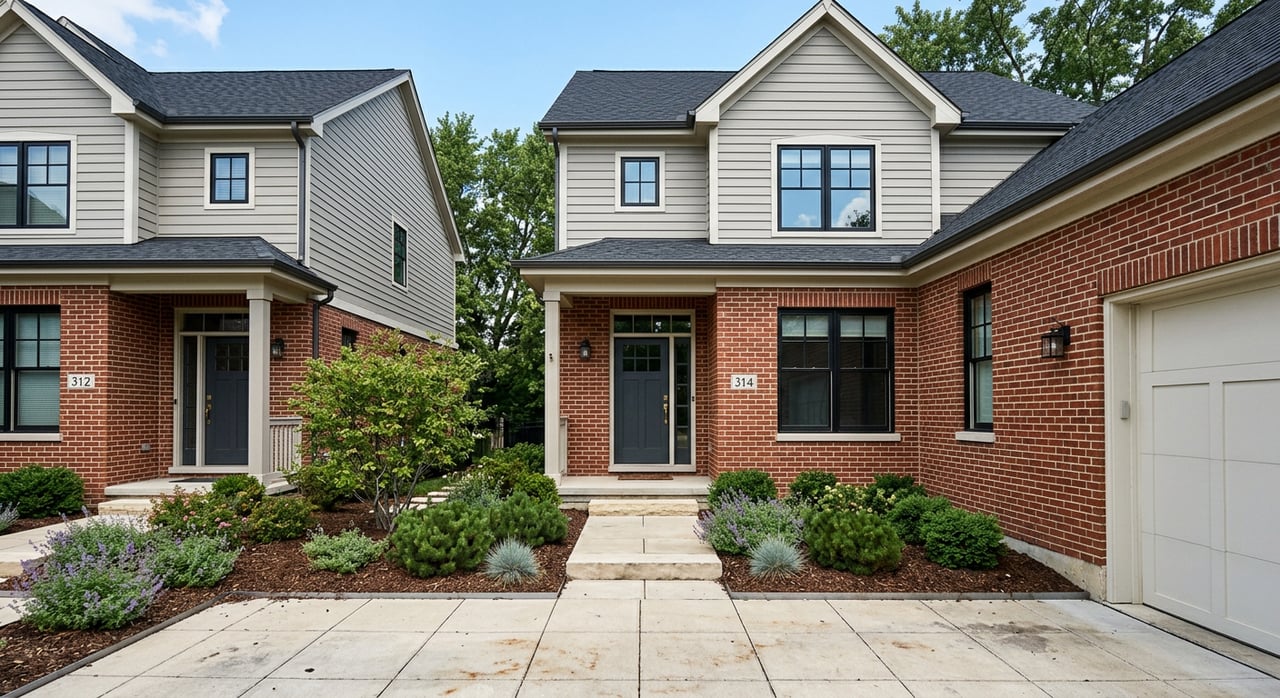
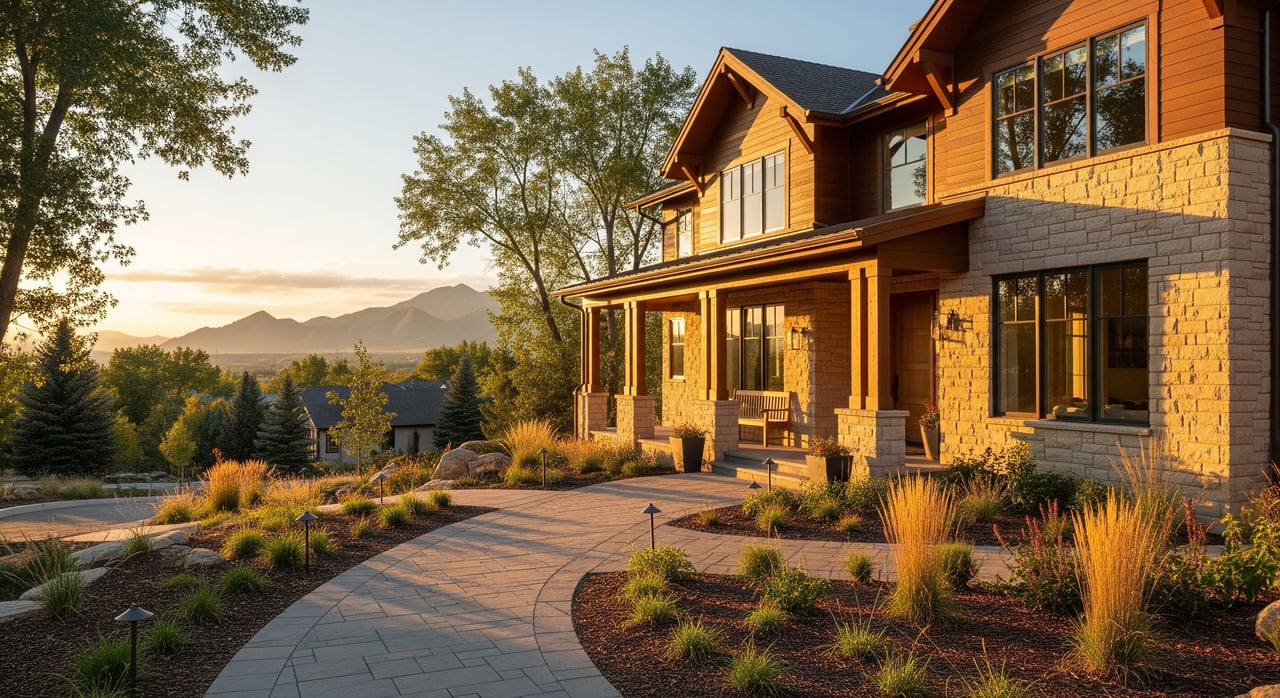
Housing in Erie leans toward single-family homes built from the 1990s through the 2010s, with continued infill and newer construction in recent years. Floor plans often feature open layouts and 3 to 5 bedrooms. You will also find townhomes and a smaller number of condos, especially in planned communities. Old Town Erie offers older, smaller homes and historic properties with a distinct neighborhood feel.
Many newer neighborhoods include one or more HOA associations that handle amenities and architectural guidelines. Old Town properties may have fewer HOA restrictions. When you evaluate a home, ask about HOA rules, monthly dues, any special district taxes, and whether municipal utility districts or assessments apply.
Price and value context
Erie’s prices generally track the broader Denver–Boulder metro. Homes are typically more attainable than the city of Boulder and higher than many farther-out exurbs. Because market conditions change quickly, it is best to look at up-to-the-minute data when you are ready to make a move. If you are comparing homes across the county line, review property tax information with the Boulder County Assessor and the Weld County Assessor to understand how mill levies and assessments could affect your monthly costs.
Schools and boundaries
Most Erie addresses are served by the St. Vrain Valley School District. Boundary assignments can differ near county lines and in certain neighborhoods, so confirm by address before you buy. Explore district enrollment and school profiles on the St. Vrain Valley School District website. If schools are a key factor for your search, ask your agent to walk through boundary maps and transfer policies.
A weekend snapshot
A typical Erie weekend might start with a trail walk along Coal Creek and a stop for coffee in Old Town. Later, you might browse the farmers market or join a town event on the community calendar. Swim lessons or a workout at the community center can fill a midday break. Dinner could be a patio meal at a local restaurant, followed by a quiet sunset in your backyard. When you want a bigger adventure, a quick drive west puts you on foothill trails or at a mountain trailhead.
What to consider when buying in Erie
Use this quick checklist to make a confident choice:
- Confirm the property’s county to understand taxes and services. Review both county assessor resources if you are comparing neighborhoods on either side of the line.
- Test your commute during your typical hours and use CDOT’s travel tools for real-time conditions.
- Clarify HOA dues, rules, and any special district or utility assessments in seller disclosures.
- Note utility providers for the subdivision, including water, sewer, electric, and trash.
- Verify school attendance boundaries with the St. Vrain Valley School District.
- Explore transit options and the nearest RTD Park-n-Ride if you plan to use bus or express services.
- Review recent market data with your agent to understand inventory, pricing, and timing.
Ready to explore Erie?
If you want a suburban lifestyle with a walkable Old Town, parks and trails, and balanced access to Boulder and Denver, Erie delivers a lot of everyday ease. The details that matter most are personal, from commute preferences to HOA policies and county tax differences. When you are ready for a deeper conversation, The Greer Group is here to guide you with neighborhood insight, clear data, and a smooth plan from search to closing. Schedule a Consultation with The Greer Group.
FAQs
How long is the commute from Erie to Boulder?
- Typical drive times are about 20 to 35 minutes, depending on where you start and the time of day. Test your route and check CDOT’s COtrip for live conditions.
How long is the commute from Erie to downtown Denver?
- Plan for roughly 30 to 60 minutes in normal traffic, with longer times during peak hours or bad weather. Try the drive during your usual commute window.
Does the county line matter when buying in Erie?
- Yes. Erie spans Boulder and Weld counties, and that can affect property taxes and some services. Review parcels with the Boulder County Assessor and the Weld County Assessor.
Which school district serves most of Erie?
- Most addresses are within the St. Vrain Valley School District. Confirm attendance zones by address on the SVVSD website.
Is there public transit in Erie?
- Options in town are limited, but nearby Park-n-Ride and express routes serve the corridor. Check RTD Park-n-Ride for locations and schedules.
What types of homes are common in Erie?
- You will find many newer single-family homes in master-planned neighborhoods, with townhomes and some condos. Old Town offers older and historic properties near the core.